Can Gum Disease Treatment Reverse Early Periodontal Problems?
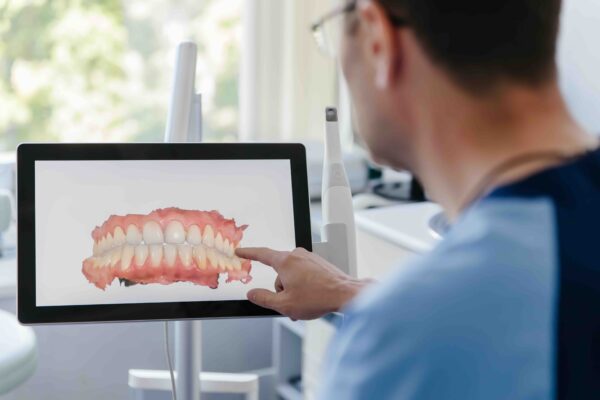
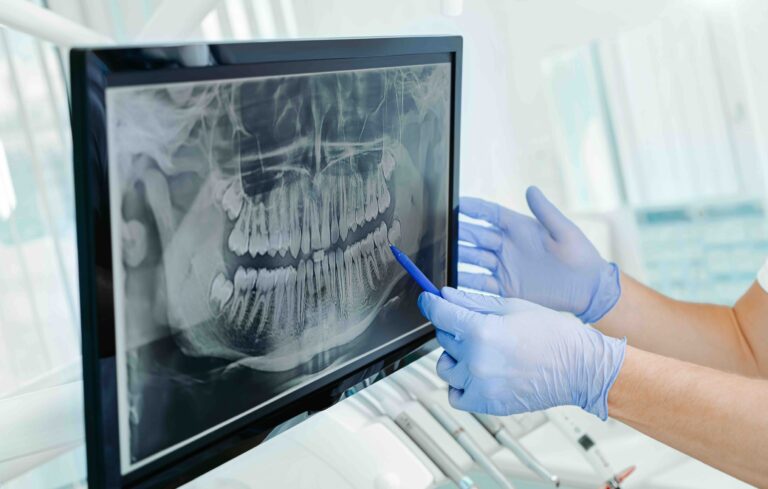
The short answer is yes, sometimes, but it depends on what stage the disease has reached and what, exactly, needs to be reversed.
That distinction matters more than most patients realize. When people hear "gum disease," they often picture one problem with one fix. In practice, dentists and hygienists see a spectrum. At one end is gingivitis, the earliest form, where gums are inflamed, puffy, and likely to bleed but the underlying bone and connective tissue have not yet been permanently damaged. At the other end is periodontitis, where infection and inflammation have started to break down the structures that support the teeth. Early intervention can change the outcome dramatically, but not every change is fully reversible.
A lot of the confusion comes from language used in everyday conversation. Someone is told they have "early gum disease" and assumes treatment will make everything go back to normal. Sometimes that is true. Sometimes the realistic goal is to stop the disease, reduce inflammation, and preserve the bone and attachment that remain. That is still a very good outcome. Saving healthy tissue from further loss is often the difference between keeping teeth for life and facing much more complex treatment later.
What counts as an early periodontal problem?
Early periodontal problems usually fall into two broad categories: gingivitis and early periodontitis.
Gingivitis is the stage most likely to be fully reversed. The gums may look red instead of pale pink. They may bleed during brushing or flossing, feel tender, or seem slightly swollen. Bad breath often tags along. What makes gingivitis different from periodontitis is that the damage is still superficial. The inflammation is in the gums, but the deeper supporting tissues have not suffered lasting loss.
Early periodontitis is more complicated. At this point, plaque and bacteria have triggered inflammation that extends deeper, into the ligament and bone that anchor the tooth. A dentist may see early pocket formation around teeth, subtle gum recession, or slight bone loss on X-rays. This stage can often be controlled very successfully, and some healing can occur, but lost bone and lost attachment do not simply regrow in a predictable way on their own.
That is why the word reverse needs careful handling. With gingivitis, reversal is a fair and accurate goal. With early periodontitis, the better phrase is often arrest or stabilize, with partial tissue improvement where possible.
Why early treatment works better than people expect
The mouth responds quickly when irritation is removed. That surprises patients all the time. Someone comes in with bleeding gums and assumes they need a major procedure, yet after a professional cleaning and two weeks of careful home care, the gum tissue can look dramatically healthier.
This happens because the early driver of gum disease is bacterial biofilm, the sticky film that builds along the gumline and between teeth. Left undisturbed, that biofilm matures, hardens into tartar in some areas, and triggers an https://devinisgs216.tearosediner.net/gum-disease-treatment-success-stories-how-healthy-gums-are-restored ongoing inflammatory response. The body is not reacting to "dirty teeth" in a cosmetic sense. It is reacting to a microbial challenge.
Remove that challenge effectively, and the tissue often calms down. Swelling can decrease. Bleeding can stop. Tenderness can fade. Gums can tighten around the teeth again to some degree because the puffiness goes down. In cases of gingivitis, this return to health can be complete if the patient maintains good plaque control afterward.
I have seen patients who thought their gums were permanently ruined because they bled every morning. Once the plaque and tartar were professionally removed and they changed how they brushed and cleaned between their teeth, the improvement was obvious within weeks. The key point is that the healing came from both sides: clinical treatment and daily follow-through at home.
What Gum Disease Treatment can and cannot reverse
When people ask whether Gum Disease Treatment can reverse the problem, they are usually asking one of three things. Can it stop the bleeding? Can it restore the gums to a healthy state? Can it bring back what has already been lost?
The first two are often achievable in early cases. The third is where expectations need to be realistic.
What can improve
Inflammation is often highly reversible early on. Swollen gums can shrink back toward a normal contour once plaque and tartar are removed and the bacterial load drops. Bleeding on brushing or flossing, which is one of the clearest early warning signs, often resolves if the patient keeps the area clean consistently. Bad breath related to gum inflammation frequently improves as well.
Pocket depths can also improve, especially when the measurement was partly inflated by swelling. A four millimeter pocket caused largely by inflamed tissue may measure shallower after treatment because the gums are no longer puffy. That does not mean every deep area is healed completely, but it does mean the tissues are healthier and easier to maintain.
What may not fully return
Bone lost to periodontitis is the classic example of damage that is not predictably reversible through routine treatment alone. Certain regenerative procedures may help in selected defects, but that is very different from saying early bone loss simply grows back after a cleaning. Likewise, recession that has already exposed tooth roots often remains unless treated surgically, and even then not every case is a candidate for full root coverage.
Attachment loss is another important concept. Teeth are held in place by a specialized ligament and surrounding bone. Once that support has been permanently reduced, treatment focuses on preventing more loss and creating a stable, healthy environment. Some reattachment and repair can occur in a biological sense, but clinicians are careful not to promise a complete reset to the original architecture.
This is not bad news so much as practical news. If treatment catches disease at the gingivitis stage, reversal is common. If it catches early periodontitis, success usually means halting progression and preserving function. That is still a strong win.
The signs patients should not ignore
Early gum disease is not always painful. In fact, one reason it progresses unnoticed is that many people assume no pain means no problem. That assumption causes delays.
Watch for these signs:
- Bleeding when brushing, flossing, or biting into firm food
- Persistent bad breath or a bad taste in the mouth
- Red, swollen, or shiny gums
- Gums that seem to pull away from the teeth
- Teeth that feel different when biting or cleaning between them
Bleeding is especially important. Healthy gums do not typically bleed from gentle flossing. Patients often stop flossing because it bleeds, but that can make the problem worse. In many cases, the bleeding is a sign that plaque has been sitting there long enough to inflame the tissue. Cleaning the area thoroughly, though it may bleed at first, is usually part of how it heals.
How dentists decide whether the condition is reversible
A proper periodontal evaluation goes well beyond a quick glance. Dentists and hygienists assess several things at once: visual inflammation, plaque buildup, tartar deposits, pocket depths, bleeding points, recession, tooth mobility, and X-ray evidence of bone levels. The distinction between gingivitis and early periodontitis usually comes from combining these findings rather than relying on one sign alone.
For example, a patient may have generalized bleeding and swollen gums but no attachment loss or bone loss. That pattern points toward gingivitis, which is reversible. Another patient may have only modest inflammation but early bone changes around several teeth. That suggests periodontitis, where treatment can control disease but not fully erase the structural loss.
There is also the issue of risk. Two people can present with similar early findings and have very different outlooks. Smoking, diabetes, dry mouth, certain medications, crowded teeth, stress, bruxism, and inconsistent home care can all affect how easily gum disease develops and how well the tissue responds to treatment.
This is why online advice only goes so far. A person can read about gum disease symptoms and still not know which side of the reversibility line they are on until a clinician measures and documents the condition.
What treatment usually looks like in the early stage
Not every case needs aggressive intervention. For true gingivitis, treatment is often straightforward: a professional cleaning, targeted instruction on home care, and a short follow-up interval if the gums are particularly inflamed.
For early periodontitis, the plan may be more involved. Scaling and root planing, often called deep cleaning, is commonly used when deposits and bacterial toxins extend below the gumline. The purpose is to clean root surfaces thoroughly enough that the tissue can heal and the bacterial environment becomes less destructive.
Despite the intimidating name, many patients tolerate this well. Local anesthetic is often used for comfort. The mouth may be treated in sections over one or more visits, depending on the extent of the problem. Afterward, some soreness is normal, but the more important phase starts at home. Healing depends heavily on daily plaque control once the root surfaces are cleaned.
A typical early-stage treatment plan may include:
| Component | Why it matters | ||---| | Professional cleaning or scaling | Removes plaque and tartar the patient cannot remove at home | | Periodontal measurements | Establishes whether the problem is gingivitis or early periodontitis | | Home care coaching | Corrects brushing and interdental cleaning technique | | Risk factor review | Identifies smoking, diabetes, dry mouth, or bite issues | | Re-evaluation visit | Confirms whether inflammation and pocketing are improving |
The re-evaluation matters more than many patients think. Periodontal treatment is not just about doing a procedure and assuming success. The tissue needs to be checked after healing. If the gums stop bleeding and the pocket depths improve, that tells the team the current approach is working. If certain sites remain inflamed, deeper intervention or specialist referral may be appropriate.
The home-care factor, where reversal is won or lost
A very good cleaning cannot compensate for three months of ineffective brushing. That sounds blunt, but it is the practical truth behind many cases of recurring gum inflammation.
When patients ask why their gums keep bleeding despite regular dental visits, the answer is often technique and consistency rather than effort. Many people brush twice a day but miss the gumline almost entirely. Others move the brush quickly over the front surfaces and neglect the back teeth and the inside surfaces near the tongue. The most common blind spot of all is between the teeth. If biofilm remains there every day, the gums can stay inflamed no matter how polished the visible tooth surfaces look.
What works is rarely complicated. A soft toothbrush or electric brush used carefully at the gumline, once in the morning and once before bed, plus daily interdental cleaning, is enough for many people if they actually do it well. The tool between the teeth varies. Floss works for some. Interdental brushes are often more effective where spaces are larger. Water flossers can help certain patients, especially those with orthodontic appliances, bridges, or limited dexterity, though they do not always replace physical contact between surfaces.
The hardest part is the first week after diagnosis. Gums that are already inflamed may bleed more when cleaning resumes properly. Some patients interpret that as harm and stop. Clinically, that is the moment to persist gently. If the area is cleaned consistently, the bleeding often decreases noticeably within seven to fourteen days. If it does not, the patient needs reassessment because retained calculus, poor technique, or a deeper periodontal issue may still be present.
How long does it take to see improvement?
With gingivitis, visible improvement can start surprisingly fast. Bleeding and puffiness often lessen within one to two weeks after a professional cleaning and improved home care. More complete healing may take several weeks, depending on how inflamed the tissues were at baseline and how consistent the patient is afterward.
Early periodontitis takes longer to assess. The soft tissue may look better quickly, but the real test is whether pocket depths, bleeding scores, and inflammation improve at the re-evaluation visit, often four to eight weeks later. The timeline is not just about appearance. Clinicians want the tissue to reattach as well as possible, for the pockets to become maintainable, and for active disease to quiet down.
One practical nuance is that patients often feel better before they are fully stable. Bleeding stops, breath improves, and they assume the problem is gone. That is where maintenance becomes decisive. Gum disease is not a one-time event for many adults, especially if they have a history of periodontitis. It is a condition that can recur if plaque control slips or maintenance visits are delayed too long.
Where treatment succeeds, and where it reaches its limits
The best outcomes usually occur in patients with gingivitis or very mild periodontitis who seek care early, have few systemic risk factors, and commit to regular maintenance. These are the cases where gums can look and feel dramatically different after treatment. Patients often say their mouth feels cleaner, less tender, and less "full" because the swelling has gone down.
The more challenging cases are not always the most dramatic-looking ones. Smokers can have deceptively little bleeding because nicotine constricts blood vessels, yet significant periodontal breakdown may still be occurring. Patients with uncontrolled diabetes may heal more slowly and experience more persistent inflammation. People with severe crowding or old dental restorations that trap plaque may need more than routine cleaning to keep the gums healthy.
There are also anatomical limits. Deep vertical defects, furcation involvement between roots of molars, pronounced recession, and thin gum tissue biotypes can complicate the picture even when disease is caught relatively early. In those settings, the goal shifts from simple reversal to precise long-term management.
That is not failure. It is the difference between a cosmetic expectation and a biological one. A stable, inflammation-free mouth with manageable pockets and preserved teeth is a strong clinical result, even if every millimeter of lost support is not restored.
Can surgery ever reverse early periodontal damage?
Sometimes, but only selectively, and not as a universal answer.
Regenerative periodontal procedures exist for certain patterns of bone loss. In the right defect, with the right patient, a periodontist may use graft materials or membranes to encourage regeneration. Soft tissue grafting can also address some recession defects. These procedures can produce meaningful improvements, but they are technique-sensitive and case-dependent. They are not the standard first step for ordinary gingivitis, and they are not appropriate for every instance of early periodontitis.
Patients sometimes assume surgery is the fastest route to "fixing" gums. Often it is not. If inflammation is still driven by daily plaque accumulation, surgery without behavior change is unlikely to hold up well. The foundation remains the same: diagnosis, bacterial control, and maintenance.
The role of maintenance after successful treatment
Once a patient has had early periodontal problems, the maintenance schedule often changes. A six-month recall may be fine for someone with low risk and no history of disease, but many patients who have had gingivitis or early periodontitis benefit from more frequent intervals, often every three to four months for a period of time.
This is not because their teeth suddenly became weak. It is because bacterial biofilm repopulates, and some patients form tartar quickly or have areas that are hard to clean consistently. Periodontal maintenance helps catch recurrent inflammation early, before it turns into fresh attachment loss.
Over time, the interval can sometimes be adjusted based on stability. If bleeding scores remain low, pocket depths stay stable, and home care is excellent, some patients can move to longer intervals. Others need the structure of closer monitoring indefinitely. The right schedule is individualized, not automatic.
The most honest answer to the question
Can Gum Disease Treatment reverse early periodontal problems? If the problem is gingivitis, very often yes. The inflammation can resolve, the bleeding can stop, and the gums can return to health if plaque control improves and stays improved.
If the problem has already crossed into early periodontitis, treatment can still be highly effective, but the word reverse becomes less exact. Dentists aim to stop the disease process, reduce pockets where possible, eliminate bleeding and active inflammation, and preserve the support that remains. Some tissue recovery can occur. Complete restoration of lost bone or attachment usually does not happen through routine treatment alone.
For patients, the practical lesson is simple. Do not wait for pain. Bleeding gums are not normal. Early care is where the biggest gains are made, and it is where outcomes are least complicated. In the dental chair, the difference between a reversible gum problem and a lifelong management issue is often measured in months, not years.
Dental Group Of Beverly Hills
Address: 8641 Wilshire Blvd #125, Beverly Hills, CA 90211
Phone number: +13109296335
FAQ About Gum Disease Treatment
How to improve gum health quickly?
To improve gum health quickly, eliminate plaque buildup by brushing for two full minutes twice a day at a 45-degree angle to the gumline. Floss daily to clean under the gumline, and rinse with an antimicrobial, alcohol-free mouthwash. For immediate relief of soreness, use a warm saltwater rinse.
What is the fastest way to cure gum disease?
To quickly cure early-stage gum disease (gingivitis), eliminate the plaque buildup causing the inflammation. Brush gently but thoroughly for two minutes twice daily, floss daily, and use an antibacterial mouthwash or a warm saltwater rinse. However, if tartar has hardened, professional treatment is necessary.
How do I treat my gum disease at home?
You can treat early gum disease at home by practicing strict daily oral hygiene, rinsing with salt water or antibacterial mouthwash, and quitting smoking. True gum disease (especially advanced forms like periodontitis) cannot be fully cured at home once tartar forms, and you must see a dentist for professional cleanings.