Emergency Dentist Ventura Care for Loose Crowns and Dental Restorations


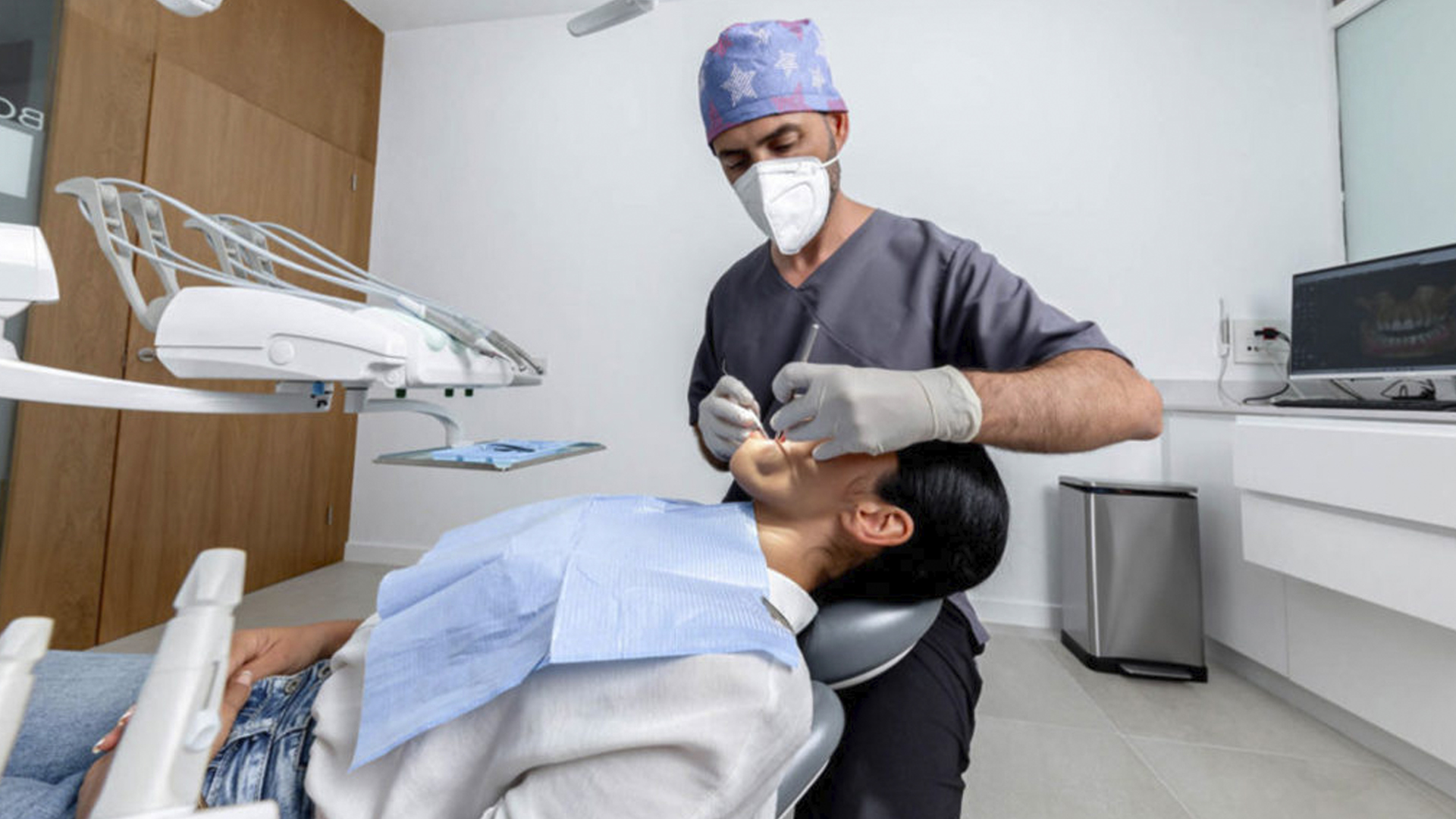
A loose crown has a way of ruining an otherwise ordinary day. One minute you are eating a sandwich or sipping coffee, the next you feel a shift, a wobble, or a hollow spot where a tooth used to feel solid. For many patients, the first reaction is panic. That response is understandable. Dental restorations are meant to feel secure, and when one stops doing its job, every bite can feel risky.
The good news is that a loose crown, bridge, veneer, filling, or implant restoration is usually very manageable when addressed promptly. The key is not to ignore it, not to test it repeatedly with your tongue, and not to assume it can wait indefinitely just because the discomfort is mild. In a busy practice, these are among the most common same-day calls, and they often become more complicated only when a patient tries to “get by” for a week or two.
For anyone searching for an Emergency Dentist Ventura residents can rely on, it helps to understand what is happening inside the mouth when a restoration loosens, what truly counts as urgent, and what you can do in those first few hours to protect the tooth underneath.
Why crowns and restorations come loose
Crowns and other restorations fail for reasons that are usually practical rather than dramatic. Cement can wash out over time. The tooth underneath can decay at the margins. A bite that has changed can create repeated force in one spot. Night grinding is another common culprit, especially in patients who wake with jaw soreness or headaches and do not realize how much pressure they put on their teeth while asleep.
Age plays a role too, but not in a simple way. A crown placed ten or fifteen years ago may still be excellent if the tooth structure underneath stayed healthy and the bite remained stable. On the other hand, a newer crown can come loose early if there was too little tooth structure to retain it, if the tooth cracked after placement, or if the patient bites on hard foods habitually. Ice chewing, pistachio shells, popcorn kernels, and even crusty artisan bread have ended many restorations sooner than expected.
Fillings and inlays behave differently from crowns, but the same principle applies. A restoration is only as reliable as the tooth supporting it and the environment around it. Saliva, acid exposure, clenching, gum recession, and small undetected fractures all affect longevity. Most patients want a simple answer, such as “the glue failed,” but dentistry is rarely that tidy. A loose restoration is often a symptom, not just an isolated event.
The difference between inconvenient and urgent
Not every loose crown is a full-blown emergency, but many deserve urgent attention. The issue is less about drama and more about risk. A restoration that moves can trap bacteria, expose sensitive dentin, alter your bite, and place extra leverage on the remaining tooth. That is how a problem that might have been solved with a recementation turns into a cracked tooth, root canal, or replacement crown.
Pain is not the only signal to take seriously. Some of the most fragile situations are surprisingly comfortable at first. A crown can feel only “a little off” while the cement seal is failing and food is packing around the edges. Likewise, a bridge that lifts slightly on one end can create torque that threatens an abutment tooth, even before soreness sets in.
Patients often ask whether they should wait until they have significant pain. In practice, waiting for pain is a poor strategy. By the time a tooth with a loose restoration becomes sharply painful, the pulp may be inflamed or the tooth may have cracked further. That changes both the timeline and the cost.
What to do in the first few hours
If a crown or other restoration becomes loose, your first goal is to protect the tooth and keep the situation clean until you can be seen. Small decisions made early can preserve options later.
- Remove the crown only if it is dangerously mobile or could be swallowed. If it is still seated and not moving much, leave it alone.
- Store any dislodged piece in a clean container or resealable bag. Bring it to the dental office even if it looks damaged.
- Avoid chewing on that side, and choose soft foods until the tooth is evaluated.
- Rinse gently with lukewarm water to clear food debris. If the area is sensitive, avoid very cold or very hot drinks.
- Do not use super glue, household adhesives, or a “just push it on” approach without guidance from a dentist.
Those five steps sound simple, but they prevent most avoidable complications. The most damaging home remedy I still see is patients using hardware glue or a strong adhesive from a repair kit. Once that material gets inside a crown or onto the tooth, it can make proper seating impossible and can irritate the gum. Temporary dental cement from a pharmacy can be reasonable in very limited cases, but even then it is a short-term measure, not a substitute for treatment.
When the crown is loose but still attached
A crown that has not fully come off can be more troublesome than one sitting cleanly in your hand. Because it still seems “there,” patients often keep chewing carefully and hope for the best. The danger is that the crown can rock microscopically, grinding away retention and introducing bacteria under the edge. That repeated movement can also bruise the ligament around the tooth, which is why some patients describe a strange pressure or the sensation that the tooth feels taller than the others.
In these cases, an exam usually focuses on several questions. Is the tooth underneath intact? Is there recurrent decay? Is the crown itself distorted or cracked? Has the bite shifted so that one contact point is hitting too hard? A dentist cannot answer those questions from symptoms alone. Two crowns can feel equally loose to a patient while requiring very different treatment plans.
If the underlying tooth is sound and the crown still fits precisely, recementation may be possible. If decay has undermined the margins or the tooth has fractured, recementing would be a temporary fix at best and a harmful one at worst. Precision matters here. A crown has to seat fully and passively. Even a tiny mismatch can leave an open margin, which invites more decay and gum inflammation.
When the crown comes off completely
A crown that pops off entirely often exposes one of three things. The best-case scenario is a well-shaped prepared tooth that looks smooth and causes only mild sensitivity. In that situation, the crown may be reusable if it is intact and the tooth has not decayed. A more complicated scenario is a crown with a metal or fiber post attached to it, which can mean part of the buildup or core came out with the restoration. That usually needs more extensive repair. The third possibility is seeing a fractured or decayed tooth underneath, which may limit whether the crown can be reused at all.
Patients are often surprised by how small the https://gregorylmtt638.northstarcolumn.com/posts/emergency-dentist-ventura-tips-for-weekend-dental-emergencies tooth under a crown looks. That is normal. It can also be unnerving, especially if the area is sensitive to air or cold water. Covering it promptly matters because exposed dentin can trigger pain, and an unprotected prepared tooth is more vulnerable to shifting if neighboring forces change.
One practical point is worth emphasizing. Do not test-fit the crown repeatedly. A crown can feel like it “almost goes on” while actually sitting crooked. Biting down to force it into place can crack porcelain or wedge debris against the margins. If you do try a pharmacy temporary cement because you cannot be seen the same day, only do so after gently cleaning the crown and tooth, and only if it slips into place easily without pressure. If there is resistance, stop.
Fillings, inlays, onlays, and veneers have their own failure patterns
Crowns get most of the attention because they are obvious, but other restorations create their own urgencies. A lost filling may leave a sharp edge or an exposed area that traps food immediately. Some are minor enough for a short wait, while others involve large portions of the chewing surface and destabilize the tooth. If a cusp breaks with the filling, the situation moves closer to crown territory.
Inlays and onlays can loosen in patients with heavy bite forces or when the bond seal degrades over time. Veneers usually fail at the front of the mouth, so the cosmetic concern is immediate, but the structural issue varies. A simple veneer debond is very different from a veneer coming off because the underlying tooth has fractured.
With implant restorations, the language matters. Patients often say the “implant is loose” when what they actually feel is a loose implant crown or an abutment screw issue. A true loose implant fixture in the bone is more serious and less common. An implant crown that wiggles can often be repaired more predictably if seen early. Waiting invites wear on the connection and can complicate what might have started as a straightforward screw tightening or component replacement.
Pain patterns that deserve same-day attention
Not every restoration emergency hurts, but certain kinds of pain tell a more urgent story. Sharp pain on biting can suggest a cracked tooth or a shifting crown transmitting force unevenly. Lingering throbbing after hot or cold exposure may indicate pulpal inflammation. Swelling around the gum, a bad taste, or drainage points to infection or trapped debris under a loose margin. If a patient tells me, “It feels loose and now I cannot bite at all,” I become less concerned with the restoration alone and more concerned with the tooth’s overall prognosis.
Facial swelling, fever, or difficulty swallowing moves the situation beyond a routine dental repair. Those symptoms need immediate evaluation. Most loose crowns do not progress that far, but when they do, delay is rarely neutral.
How an emergency dental visit usually unfolds
Patients often imagine that an emergency appointment means a rushed patch with no real answers. In a good office, the visit should be focused, efficient, and diagnostic. The goal is not just to stick something back on. It is to understand why the failure occurred and stabilize the tooth in a way that preserves the best long-term option.
A typical visit starts with a symptom history and a look at the restoration itself if you have brought it in. The dentist checks the fit, examines the tooth, evaluates the surrounding gum tissue, and assesses the bite. X-rays may be needed to look for decay, fractures, bone loss, or problems under existing buildup material. In some cases, photos and magnification tell the story more clearly than the patient’s symptoms do.
From there, treatment can range widely. Some restorations are simply cleaned and recemented. Others require a new buildup, a new impression or scan, a temporary crown, or discussion of root canal treatment if the nerve is compromised. If the remaining tooth structure is too weak, extraction may enter the conversation, though that is not the most common outcome when patients come in promptly.
What determines whether a crown can be recemented
This is one of the most misunderstood questions in restorative dentistry. Patients tend to think, “If I still have the crown, surely it can go back on.” Sometimes yes, often no, and the reasons are mechanical.
A crown can usually be recemented only if it still fits accurately, the internal surface is cleanable and intact, the margins are not distorted, and the underlying tooth has not changed shape through decay or fracture. Even a small chip at the edge of porcelain can be manageable if it does not affect fit. A tiny area of recurrent decay at the gumline, on the other hand, can disqualify recementation because the crown no longer seals the tooth properly.
Material matters too. Zirconia, porcelain-fused-to-metal, gold, and layered ceramics age differently and respond differently to debonding. An older metal crown may survive a debond with minimal damage. A more brittle ceramic restoration may not. There is also the issue of why it loosened. If the crown came off because there is almost no tooth left above the gumline, simply recementing it may buy very little time.
Good emergency care includes honesty about those limits. A dentist who says, “I can place this back temporarily, but you should expect replacement soon,” is not upselling. That is often a fair reading of the situation.
Ventura-specific realities patients should keep in mind
Ventura has its own rhythm. Active lifestyles, surfing, cycling, and sports mean dental offices here see a mix of bite-related wear, trauma, and delayed treatment after weekends or travel. I have seen more than one patient walk in on a Monday after losing a crown during a beach picnic, trying to manage by chewing on the opposite side all weekend. Saltwater is not the issue, but the repeated chewing, dehydration, and snacking without proper cleaning can make a simple debond look worse by the time they arrive.
There is also the practical matter of access. If you need an Emergency Dentist Ventura patients can reach quickly, call as early in the day as possible and describe the problem precisely. Saying “my crown fell off, there is sensitivity to air, and I still have the crown with me” gives the office far more useful triage information than “I have a dental issue.” Front desk teams can often reserve emergency slots more effectively when they know whether you are dealing with swelling, trauma, or a restorable loose crown.
Night grinding and bite problems are often the hidden cause
When a crown loosens, many patients focus on the event that immediately preceded it, usually a meal. The meal may be the trigger, but not the cause. Chronic clenching and grinding place intense cyclical force on restorations. I have seen beautifully made crowns fail early in patients who grind so heavily that they wear flat spots into natural enamel and crack retainers. If the bite force is not addressed, replacement dentistry may simply repeat the same cycle.
This is why a well-managed emergency visit sometimes includes a longer conversation about occlusion, wear patterns, jaw symptoms, and protective appliances. A night guard is not glamorous, but it can add years to restorative work. Bite adjustment may also be appropriate in select cases, especially when one restoration is taking the brunt of a changed chewing pattern.
Temporary fixes at home, and where they go wrong
There is a place for short-term home care, particularly when travel, timing, or distance makes same-day treatment difficult. The problem is that many people overestimate what “temporary” means. A pharmacy cement can sometimes protect a tooth for a day or two. It is not intended to hold a crown securely for weeks. The fit will not be as precise, excess material may irritate the gum, and the crown can trap bacteria if seated imperfectly.
Here is a realistic way to think about it. A temporary home fix is a bridge to professional care, not a substitute for it. If your symptoms improve after you place a crown back on, that is not proof that the tooth is healthy underneath. It only means the tooth is covered again.
Patients also ask about sensitivity toothpaste, clove oil, or orthodontic wax. Those can reduce discomfort in specific situations, especially if there is a sharp edge or exposed dentin, but they do not restore seal, fit, or stability. Comfort and correction are different goals.
Questions worth asking during the appointment
When you are sitting in the chair and trying to process an unexpected dental problem, it helps to focus on a few useful questions:
- Can this restoration be safely recemented, or does it need replacement?
- Is there decay, fracture, or nerve irritation under the restoration?
- What likely caused it to come loose in the first place?
- What should I avoid eating or doing until the tooth is fully restored?
- Would a bite guard or bite adjustment reduce the chance of this happening again?
That short set of questions tends to produce practical answers without overwhelming the appointment. It also shifts the conversation from today’s patch to long-term stability, which is where the real value lies.
The cost of waiting is usually structural, not just financial
Patients often assume delay mainly affects price. Sometimes it does, but the bigger issue is what delay does to the tooth. A salvageable crown can become unsalvageable if recurrent decay spreads below the gumline. A tooth that only needed a new crown can move toward root canal treatment if repeated leakage inflames the pulp. A broken filling can progress into a fracture line that changes the entire prognosis.
That progression is why dentists talk so much about timing. Teeth do not heal from mechanical defects the way skin heals from a cut. Once a margin opens or a crack propagates, the body cannot rebuild the lost shape or reseal the area for you. Dental treatment is often an effort to intervene before small structural problems become biologic ones.
What a stable long-term result looks like
Successful treatment of a loose crown or restoration should leave you with more than just relief. You should be able to chew comfortably, floss without snagging, and feel that the tooth belongs in your bite again rather than standing out. The gum around it should settle, not remain chronically irritated. If the office places a new crown, the better outcome is one that accounts for contour, margin quality, material selection, and force distribution, not only appearance.
For some patients, especially those with repeated debonds, the best long-term answer may involve changing the design of the restoration, building more retention into the tooth if possible, treating gum issues, or addressing heavy occlusal load. That is why experienced emergency care does not stop at “we got it back on.” It asks whether the original setup still makes sense.
A loose crown rarely happens at a convenient time, but it does give useful information. It tells you that the restoration, the tooth, or the bite has changed enough to demand attention. Acting quickly protects options. Whether the solution is a simple recementation or a more involved rebuild, prompt evaluation usually keeps the problem smaller, the treatment cleaner, and the outcome more predictable. For patients looking for an Emergency Dentist Ventura families can trust, that combination of speed, judgment, and careful follow-through matters far more than a quick temporary fix.
Avra Dental
1708 S Victoria Ave B, Ventura, CA 93003, United States
Phone: +1 805-765-3206
FAQ About Emergency Dentist Ventura
Can the ER do anything for tooth pain?
An emergency department can assess serious symptoms and provide temporary relief, but definitive dental treatment usually requires a dentist. Trouble breathing or swallowing, uncontrolled bleeding, or swelling spreading into the neck requires emergency medical care.
What do I do if I have a dental emergency and no dentist?
Contact a local emergency dental practice promptly, explain your symptoms, and ask about the earliest available assessment. Avra Dental provides emergency dentistry in Ventura; call to confirm availability. If you have life-threatening symptoms or a serious facial injury, go to an emergency department or call 911.
What do I do if tooth pain is unbearable?
Seek urgent dental assessment rather than waiting for the pain to pass. While arranging care, gently rinse with warm water and avoid placing aspirin directly on the tooth or gums. Severe pain with trouble breathing or swallowing, rapidly spreading swelling, or uncontrolled bleeding needs immediate emergency medical care.