Expert Tips for Choosing Gum Disease Treatment in Beverly Hills
Choosing the right provider for gum disease treatment is not a small decision. Gum disease can begin quietly, with bleeding while brushing or a little tenderness near the gumline, then progress into something far more serious if it is not treated well and treated early. By the time many adults seek care, they are not just dealing with irritation. They may already have gum recession, persistent bad breath, loose teeth, bone loss, or an infection that has started to affect daily comfort and confidence.
That reality matters even more in a place like Beverly Hills, where patients often have high expectations for both clinical quality and cosmetic outcomes. People are not only trying to save their oral health. They also want treatment that protects their smile, fits into a demanding schedule, and makes sense financially. The best choice is rarely the office with the flashiest website or the one promising a perfect result in one visit. It is the provider who can diagnose accurately, explain options clearly, and match treatment to the actual stage of the disease.
I have seen many patients assume that all Gum Disease Treatment is essentially the same. It is not. A simple case of gingivitis calls for a very different plan than moderate or advanced periodontitis. The quality of the diagnostic workup, the experience of the clinician, and the follow-through after active treatment all shape the outcome. If you are trying to find Gum Disease Treatment in Beverly Hills, it helps to know what separates careful periodontal care from generic dental marketing.
Start with the stage of the disease, not the sales pitch
One of the most common mistakes patients make is shopping for a procedure before they understand their diagnosis. They ask whether they need laser treatment, deep cleaning, gum grafting, or surgery, when the first question should be, “What exactly is happening in my gums and supporting bone?”
Gum disease usually falls along a spectrum. Gingivitis is the early, reversible stage. At that point, the gums may look puffy, bleed easily, and feel sore, but there is typically no irreversible bone loss yet. Periodontitis is more advanced. The infection affects the deeper structures around the teeth, creating periodontal pockets where bacteria collect below the gumline. Over time, the supporting bone can deteriorate, the gums may recede, and teeth can become mobile.
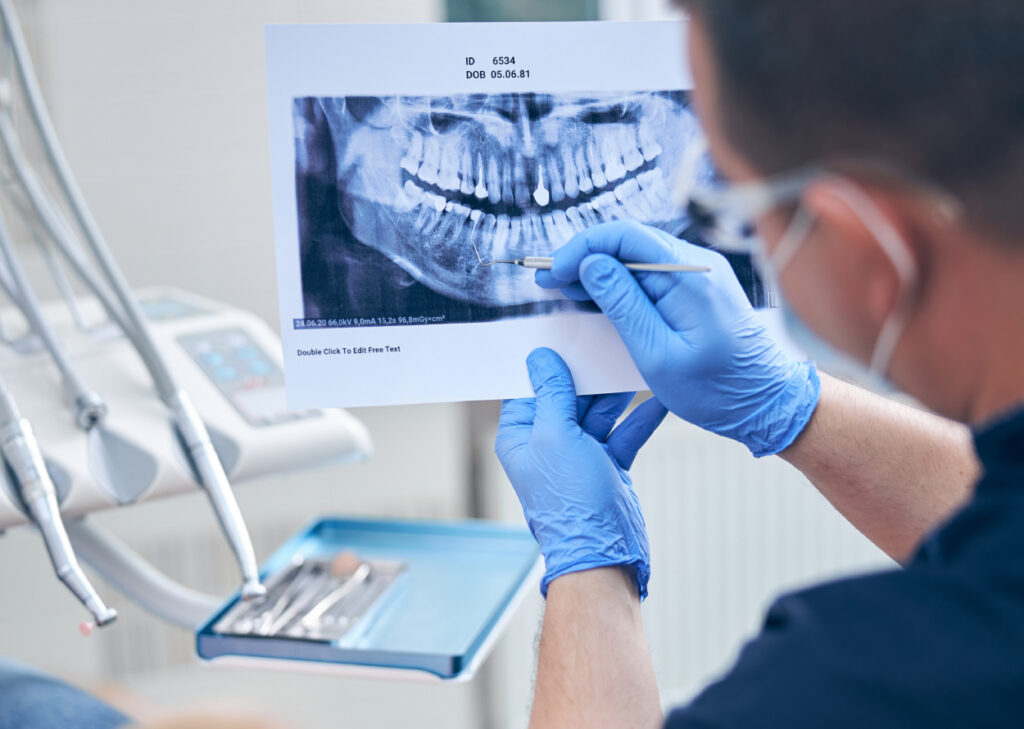
A responsible provider will not leap straight into treatment recommendations without a detailed exam. Expect measurements of gum pocket depth, an evaluation of bleeding and inflammation, and diagnostic images to assess bone levels. In many offices, a full periodontal charting takes a little time, but that time is well spent. If someone gives you a treatment quote after a quick look with no measurements and no imaging, be cautious.
The right treatment plan depends on specifics. A patient with isolated recession around a few teeth may need a very different approach than a patient with generalized moderate periodontitis. Even within the same mouth, one area may respond to non surgical therapy while another requires more advanced intervention.
Know who should be managing your care
General dentists often identify and treat mild to moderate gum issues, especially early gingivitis and some cases of localized periodontal disease. Periodontists are dental specialists with advanced training in gum disease, the supporting structures of the teeth, and related surgical procedures. That extra training becomes especially valuable in more complex cases.
The distinction matters because many patients assume any office offering Gum Disease Treatment is equally equipped to handle advanced disease. In practice, there is a big difference between routine periodontal maintenance and comprehensive management of deep pockets, significant bone loss, gum grafting, regenerative procedures, or implant related complications.
If your case is mild, a skilled general dentist with strong periodontal protocols may be entirely appropriate. If you have deeper pockets, recurring infection, loose teeth, previous treatment failure, or an aesthetic concern involving gum recession in the smile zone, seeing a periodontist is often the better move. In Beverly Hills, where appearance and precision often carry extra weight, that specialist perspective can be important.
A useful question to ask is whether the office manages cases like yours every week or only occasionally. Experience tends to show itself in the details. A seasoned clinician can explain not only what they recommend, but why one option is better than another for your specific anatomy, risk factors, and goals.
The consultation should feel thorough, not rushed
A strong consultation does more than identify plaque and inflammation. It should connect the dots between your symptoms, your medical history, your habits, and the long term prognosis for your teeth.
For example, smokers and former smokers often present differently than non smokers. Bleeding may be less obvious even when disease is significant. Patients with diabetes may have more difficulty controlling inflammation, especially if blood sugar is not well managed. Clenching and grinding can worsen mobility and strain already compromised teeth. Dry mouth, certain medications, poorly contoured crowns, and inconsistent home care can also change the treatment plan.
A good consultation often includes a conversation about things patients do not expect. How often do you wake with a dry mouth? Do your gums bleed only during flossing, or spontaneously? Have you noticed spaces opening between teeth? Do foods catch in places they did not before? Has anyone in your family lost teeth early from “bad gums”? These are not small details. They help reveal whether the disease is localized, generalized, aggressive, longstanding, or influenced by systemic factors.
When a provider listens closely, the treatment becomes more precise. When they do not, care can become formulaic. Gum disease does not respond well to cookie cutter thinking.
Understand the main treatment categories before you commit
Patients often hear terms that sound interchangeable but are not. Knowing the broad categories helps you evaluate recommendations with a clearer head.
Non surgical treatment usually comes first for mild to moderate disease. This often includes scaling and root planing, sometimes called a deep cleaning. The goal is to remove plaque, tartar, and bacterial buildup below the gumline, then smooth root surfaces so the tissue can heal more effectively. In some cases, local antimicrobial agents or prescription rinses are added.
More advanced or unresponsive cases may require surgical treatment. This can involve pocket reduction procedures, regenerative therapy aimed at encouraging bone or tissue repair, or grafting to cover exposed roots and reinforce thin gum tissue. Laser assisted therapies are also offered in some practices, though the quality of the result still depends more on case selection, diagnosis, and technique than on a machine alone.
Maintenance is the part many people underestimate. Once periodontitis has been treated, the disease can usually be controlled well, but it does require follow up. Periodontal maintenance visits are often scheduled every three to four months rather than the standard six month cleaning interval. That is not a sales tactic when clinically indicated. It reflects how quickly harmful bacteria can repopulate in susceptible patients.
If a provider only talks about the procedure and says little about maintenance, you are not hearing the full story.
Red flags that deserve a second opinion
Some signs of poor https://cashnezc227.lumenforgex.com/posts/the-benefits-of-early-diagnosis-for-gum-disease-treatment-in-beverly-hills decision making are obvious. Others are subtle. If you are comparing offices for Gum Disease Treatment in Beverly Hills, watch for these patterns:
- A diagnosis is given without periodontal charting or imaging.
- Every patient is pushed toward the same treatment, regardless of severity.
- Costs are emphasized before the disease process is clearly explained.
- Questions about alternatives, risks, or recovery are brushed aside.
- No long term maintenance plan is discussed.
A second opinion can be particularly helpful when surgery is recommended immediately, when the treatment feels unusually expensive without a clear rationale, or when the explanation sounds vague. Good clinicians do not fear informed patients. They welcome them.
Ask how success will be measured
One of the best questions a patient can ask is, “How will we know this treatment worked?” It is simple, but it shifts the conversation from promises to measurable outcomes.
Success in Gum Disease Treatment is not just that your mouth feels cleaner for a few days. It usually means less bleeding, reduced inflammation, shallower periodontal pockets, better tissue attachment where possible, more stable bone levels, improved comfort, and a realistic plan to preserve the teeth long term. In some situations, the goal is disease control rather than a perfect reset. That is not failure. It is honest medicine.
A reliable provider should be able to explain what improvement looks like in your case and when reassessment should happen. Often there is a follow up evaluation several weeks after initial therapy to re measure pocket depths and check tissue response. Some areas improve dramatically. Others may remain problematic and require further treatment. That reassessment is where judgment really matters.
I have seen patients disappointed because they expected one deep cleaning to solve years of periodontal breakdown. The problem was not always the treatment itself. Sometimes it was that the expectations were never grounded in reality. Good providers do not oversell. They explain the probable range of outcomes.
Consider how aesthetics intersect with periodontal care
Beverly Hills patients often care deeply about appearance, and they should. Gum health and smile aesthetics are closely connected. Yet cosmetic priorities need to be handled intelligently, especially when active disease is present.
Inflamed gums can distort the appearance of the smile. Recession can make teeth look longer and uneven. Bone loss can create black triangles between teeth where the gum tissue no longer fills the space. At the same time, aggressive cosmetic dentistry on top of unstable gums can create bigger problems later.
This is where experience counts. The best periodontal care respects both biology and aesthetics. If gum grafting is recommended, the discussion should include not only root coverage and sensitivity reduction but also tissue color match and contour. If crowns or veneers are part of the broader dental plan, the gums should be stabilized first, and the restorative work should be coordinated carefully with the periodontal treatment.
In higher visibility cases, timing matters. A patient preparing for a wedding, filming schedule, or major public event may want fast cosmetic improvement. An experienced provider will be honest about what can be improved safely in the short term and what needs a longer healing period. That kind of judgment is far more valuable than a rushed promise.
Technology can help, but it should not replace clinical judgment
Many Beverly Hills practices promote advanced tools, and some of them are genuinely useful. Digital imaging, intraoral cameras, laser systems, and modern diagnostic methods can improve communication and, in some cases, treatment precision. The problem begins when technology becomes the headline and diagnosis becomes an afterthought.
A laser is not automatically better than conventional treatment. A 3D scan does not guarantee a correct treatment plan. High end equipment in a beautiful office can coexist with mediocre periodontal decision making. Patients sometimes confuse presentation with expertise, especially in markets where branding is strong.
A better approach is to ask how a specific technology changes your care. Does it improve diagnosis? Make the procedure less invasive? Reduce recovery time? Help preserve more tissue? Or is it simply the office’s preferred marketing language? Good clinicians can answer this plainly, without theatrics.
Cost matters, but value matters more
Fees for Gum Disease Treatment in Beverly Hills can vary widely. Geography influences overhead, and specialist care, advanced imaging, sedation options, and surgical skill can affect price. At the same time, a high fee does not always equal better care, and a low fee can become expensive if the treatment is incomplete or poorly executed.
Patients often do best when they break the financial question into parts. What is included in the diagnostic phase? Are follow up evaluations built into the fee? If surgery is recommended, what postoperative visits are covered? Will you need maintenance visits every three to four months afterward, and what do those typically cost? If grafting or regeneration is proposed, what is the clinical goal and what happens if the response is less than ideal?
Insurance can help with some periodontal procedures, but coverage varies and often falls short of the actual fee in higher cost markets. That gap can create pressure to choose based on price alone. In my experience, the smarter move is to compare the clarity and thoroughness of the plan. A less expensive office that skips follow up, underdiagnoses advanced disease, or treats only the obvious symptoms may cost far more over time if the condition worsens.
Home care support is not optional
Even exceptional in office treatment can fail if home care is weak or mismatched to the patient. This is one of the least glamorous parts of periodontal care, but it is where long term results are won or lost.
The best providers do not just tell patients to floss more. They show them how to clean effectively based on their actual gum condition, restorations, dexterity, and habits. For one patient, that may mean using interdental brushes around areas of recession. For another, it may mean a water flosser as an adjunct, not a replacement, because tight contacts make traditional floss more effective in key areas. A patient with bridges, implants, or orthodontic retainers may need a more customized routine.
These recommendations should feel practical, not performative. If a routine takes forty minutes and involves six products, most people will not sustain it. Skilled clinicians understand that compliance improves when the plan fits real life.
A patient once described being handed a bag of products after treatment with almost no explanation. Another was taught a two minute nightly routine targeted to the exact areas where plaque was repeatedly collecting. Guess which patient maintained healthier gums six months later. Precision and simplicity usually beat volume.
Questions worth asking at the first appointment
If you want a more productive consultation, bring a few focused questions. You do not need to interrogate the provider. You just want enough information to understand the diagnosis and the rationale behind the plan.
- What stage of gum disease do I have, and how extensive is it?
- Which teeth or areas are most at risk if I delay treatment?
- Do you expect non surgical treatment to be enough, or do you think surgery is likely?
- How will my case be reevaluated after treatment?
- What maintenance schedule do you expect me to need afterward?
These questions tend to reveal whether the provider is thinking comprehensively. They also help you distinguish a polished sales conversation from a real clinical discussion.
Beverly Hills adds a few practical considerations
Searching for Gum Disease Treatment in Beverly Hills involves factors beyond medicine alone. Scheduling efficiency, privacy, comfort, and coordination with cosmetic or restorative treatment often matter more here than in a typical dental market. That is not superficial. It is practical. Many patients have demanding calendars and want care that minimizes disruption while still protecting long term health.
That said, convenience should not outrank competence. A same week appointment in a luxury office is useful only if the diagnosis is sound. A spa like environment can make treatment more comfortable, and sedation or anxiety management may genuinely help some patients complete needed care. Those are meaningful benefits. They are just not substitutes for periodontal expertise.
If you are considering a practice because it also offers veneers, whitening, or full smile makeovers, ask how active gum disease is handled before cosmetic treatment begins. The right answer is not “we can do everything at once.” It is usually a thoughtful sequence that stabilizes the gums first, then addresses appearance once the foundation is healthier.
Pay attention to how the office handles follow through
Periodontal care is rarely a one visit transaction. Offices that manage it well tend to have strong systems for recall, reassessment, hygiene coordination, and communication between the dentist, periodontist, and any restorative providers involved.
This may sound mundane, but it often determines whether a good initial result lasts. If your charting is not updated, if no one tracks whether pockets improved, or if maintenance intervals drift because scheduling is inconsistent, disease can return quietly. The office culture matters. Is there continuity? Do they remember what areas were previously unstable? Can they explain changes over time?
Good follow through usually feels organized rather than dramatic. You know when your next maintenance visit is due. You understand what signs to watch for at home. If a site starts bleeding again or a tooth becomes sensitive, you know whom to call and what kind of response to expect.
The best choice usually feels clear for practical reasons
When patients find the right provider, it is rarely because of a single dazzling feature. More often, several sensible things line up at once. The diagnosis is specific. The explanation is understandable. The recommendations fit the severity of the disease. Risks and alternatives are discussed without pressure. Costs are transparent. The maintenance plan is realistic. You leave understanding not just what will be done, but why.
That is what good Gum Disease Treatment looks like, whether the case is straightforward or complex. It protects your teeth, respects your time, and gives you a credible path to long term stability.
For anyone seeking Gum Disease Treatment in Beverly Hills, the smartest move is to think like an informed patient, not a consumer chasing a package. Look past branding. Look for precision. Look for a provider who takes the time to measure carefully, plan honestly, and follow through after the initial treatment is complete. Healthy gums are not built on hype. They are built on accurate diagnosis, experienced care, and consistent maintenance over time.
Dental Group Of Beverly Hills
Address: 8641 Wilshire Blvd #125, Beverly Hills, CA 90211
Phone number: +13109296335
FAQ About Gum Disease Treatment in Beverly Hills
How to improve gum health quickly?
To improve gum health quickly, eliminate plaque buildup by brushing for two full minutes twice a day at a 45-degree angle to the gumline. Floss daily to clean under the gumline, and rinse with an antimicrobial, alcohol-free mouthwash. For immediate relief of soreness, use a warm saltwater rinse.
What is the fastest way to cure gum disease?
To quickly cure early-stage gum disease (gingivitis), eliminate the plaque buildup causing the inflammation. Brush gently but thoroughly for two minutes twice daily, floss daily, and use an antibacterial mouthwash or a warm saltwater rinse. However, if tartar has hardened, professional treatment is necessary.
How do I treat my gum disease at home?
You can treat early gum disease at home by practicing strict daily oral hygiene, rinsing with salt water or antibacterial mouthwash, and quitting smoking. True gum disease (especially advanced forms like periodontitis) cannot be fully cured at home once tartar forms, and you must see a dentist for professional cleanings.