How Genetic Factors Influence Gum Disease Treatment


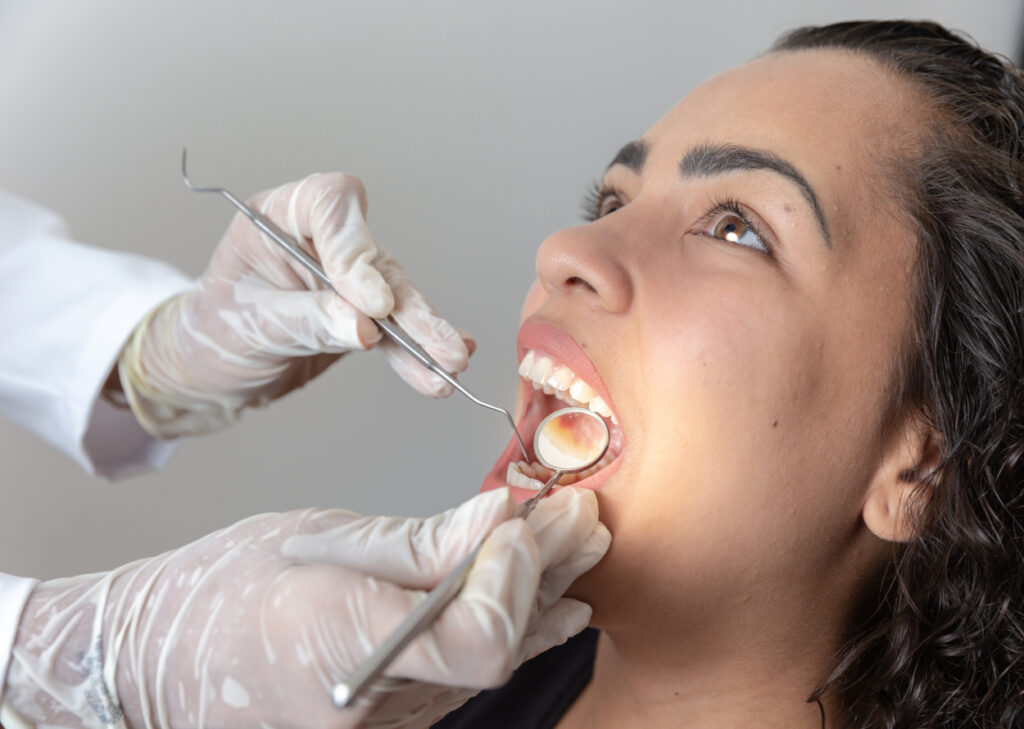
Anyone who treats periodontal disease for long enough notices a pattern that does not fit a simple plaque-only explanation. Two patients can arrive with similar brushing habits, similar tartar buildup, and similar access to dental care, yet their outcomes look very different. One develops only mild inflammation that settles quickly after a deep cleaning. The other loses attachment around several teeth despite doing many things right. That gap has pushed both clinicians and researchers toward a more nuanced truth: gum disease is not just about bacteria. It is also about the host response, and genetics help shape that response.
This matters because Gum Disease Treatment is often presented as a straightforward sequence of scaling, root planing, better home care, and maintenance. Those steps remain the foundation. Still, they do not explain why some patients progress rapidly in their thirties while others keep most of their periodontal support into old age despite imperfect oral hygiene. Genetics can influence susceptibility, inflammatory intensity, tissue breakdown, healing capacity, and possibly even how predictably a person responds to therapy.
The practical takeaway is not that genes determine destiny. They do not. Periodontal disease remains strongly affected by smoking, diabetes, stress, oral hygiene, medications, and regular dental care. Yet genetics can tilt the field. In practice, that means some patients need earlier intervention, closer follow-up, or more aggressive control of known risk factors.
The disease is bacterial, but the damage is human
Periodontal disease starts with bacterial biofilm. That part is well established. Bacteria accumulate at the gumline, trigger inflammation, and, if the process persists, the tissues that support the teeth begin to break down. But bacteria alone do not fully explain https://mauletav1.gumroad.com/p/how-dentists-diagnose-and-plan-gum-disease-treatment the amount of destruction. The body’s own immune and inflammatory response often determines whether the result is mild gingivitis or serious periodontitis with bone loss.
Think of it this way. Plaque is the spark, but the host response decides whether the fire stays in the fireplace or spreads through the whole structure. Some people mount a brisk inflammatory reaction that is highly effective and self-limited. Others produce a response that is exaggerated, prolonged, or poorly regulated. In those cases, the body may release more inflammatory mediators than necessary, and those chemicals can contribute to the destruction of connective tissue and alveolar bone.
From a chairside perspective, this is why two mouths that look similar in terms of plaque can feel very different clinically. One patient bleeds minimally and shows shallow pockets. Another bleeds at the lightest touch, develops deep pockets, and loses attachment around molars and incisors with surprising speed. Those differences are often the product of multiple factors acting together, and inherited biology is one of them.
What “genetic influence” actually means in periodontics
When people hear the word genetics, they often imagine a single gene that causes a disease. Periodontal disease rarely works that way. It is usually polygenic and multifactorial. In simpler terms, many genes may contribute small effects, and those effects interact with the environment.
Researchers have looked at gene variations related to inflammatory signaling, immune regulation, connective tissue metabolism, and bone remodeling. Certain variants appear to be associated with a stronger inflammatory response or greater susceptibility in some populations. Interleukin-related genes have received attention for years because interleukins help regulate inflammation. Tumor necrosis factor pathways, matrix metalloproteinases, and other immune or tissue-remodeling systems have also been studied. The broad theme is consistent even when individual findings vary: inherited differences can affect how the periodontium responds to bacterial challenge.
That said, this is not an area where a clinician should overpromise certainty. The science is real, but the practical application is still evolving. Genetic influence is important, yet it rarely offers a neat yes-or-no answer in everyday treatment planning. A positive family history of early tooth loss from “bad gums” is often more clinically useful than a direct-to-consumer test with unclear interpretation.
Family patterns dentists notice early
Some of the strongest clues come not from the laboratory but from routine history taking. When a patient in their twenties or thirties presents with attachment loss that seems out of proportion to local irritants, experienced clinicians tend to ask about relatives. Did a parent lose teeth early? Were there siblings with deep cleanings, gum surgeries, or dentures at a relatively young age? Were there family members who said, “I always had weak gums,” even though they brushed regularly?
These stories do not diagnose a genetic cause, but they matter. Families share genes, habits, diets, and health conditions, so the signal is not perfectly clean. Even so, the pattern often proves useful. In many practices, a patient who reports several close relatives with severe periodontal problems gets watched more closely, especially if other risks are present.
I have seen this matter most in patients who otherwise look deceptively healthy. A nonsmoker in good general health with decent home care can still show repeated bleeding, recurrent pocketing, or bone loss that seems too advanced for their age. When that clinical picture is paired with a strong family history, it changes the level of vigilance. You stop thinking in terms of a routine cleaning schedule and start thinking in terms of disease control over decades.
Why some gums break down faster than others
Genes may influence gum disease through several biological pathways. It helps to think less about named genes and more about functions.
First, genetic differences can shape the inflammatory response. Some individuals appear more prone to producing higher levels of inflammatory mediators in response to bacterial plaque. That can amplify tissue damage around the teeth.
Second, genetics may influence the integrity and turnover of connective tissue. The periodontal ligament and surrounding collagen structures are under constant stress. If tissue remodeling is poorly regulated, breakdown may outpace repair.
Third, inherited traits may affect bone metabolism. Periodontitis is not only a gum condition, it is also a bone disease when it progresses. The rate at which bone is resorbed around teeth can vary from person to person.
Fourth, immune surveillance differs between individuals. The quality of neutrophil function, antibody response, and cellular signaling may affect how efficiently bacterial challenge is contained without excessive collateral damage.
All of that helps explain a common clinical frustration: two patients receive the same Gum Disease Treatment, follow nearly identical home care instructions, and still heal at different speeds. The tissues are not starting from the same biological baseline.
Aggressive disease and younger patients
Genetic influence becomes especially relevant when severe periodontal destruction appears early in life. Years ago, the profession often used terms like “aggressive periodontitis” to describe patients, sometimes quite young, who developed rapid attachment loss with relatively modest plaque accumulation. Terminology has evolved, but the clinical reality remains. Some younger patients experience a pattern of bone loss that signals a higher level of susceptibility.
Those are the patients who can fool a casual observer. The mouth may not look neglected. There may be no thick wall of tartar. Yet radiographs show vertical defects around first molars or incisors, and periodontal charting reveals deeper pockets than expected. In such cases, inherited immune traits are often part of the conversation, even if no single gene is identified.
This has a direct treatment implication. Waiting to “see how it goes” is usually a mistake. Earlier mechanical therapy, more frequent reevaluation, stronger risk-factor control, and sometimes referral to a periodontist are often justified. Genetics do not change the fact that biofilm must be removed, but they can change how urgently and intensively the disease should be managed.
The interaction with smoking, diabetes, and stress
A useful way to think about genes is as a volume knob, not an on-off switch. Environmental and systemic factors often decide how loud the disease process becomes.
Smoking remains one of the most destructive modifiers of periodontal health. It alters blood flow, impairs immune function, and reduces healing capacity. If a genetically susceptible patient smokes, the combined effect can be particularly damaging. In practice, this is one of the hardest scenarios to treat predictably. Deep pockets can persist, inflammation may be masked clinically because smokers often bleed less, and the long-term prognosis for certain teeth declines quickly.
Diabetes, especially when poorly controlled, is another major amplifier. Elevated blood glucose affects host defense, collagen metabolism, and wound healing. A patient with both diabetic dysregulation and inherited inflammatory susceptibility may struggle to stabilize periodontal disease unless medical and dental care work together.
Chronic stress and poor sleep do not receive as much public attention, but they can alter immune function and self-care habits. They are rarely the sole explanation, though they often make a borderline situation worse.
This is where personalized treatment becomes real, not theoretical. The same genetic predisposition may stay relatively quiet in a patient who does not smoke, controls blood sugar, uses excellent home care, and attends maintenance visits every three months. In another patient with the same predisposition plus tobacco use and inconsistent care, disease progression may be much more dramatic.
How genetics changes treatment planning in the real world
Genetic influence seldom changes the basic toolkit of periodontics. Plaque control, scaling and root planing, correction of plaque-retentive factors, periodontal maintenance, and selective surgical therapy remain the backbone of care. What changes is the threshold for action and the intensity of follow-up.
Here are the situations where inherited risk most often changes clinical judgment:
- earlier intervention when bone loss appears young or progresses faster than expected
- shorter maintenance intervals, often every three to four months rather than waiting six months
- stronger emphasis on controlling modifiable risks such as smoking and blood sugar
- lower tolerance for persistent deep pockets, bleeding, or furcation involvement after initial therapy
- earlier referral to a periodontist when the pattern suggests high susceptibility
Each of those decisions reflects a practical truth. If a patient’s biology makes them more vulnerable, the margin for delay is smaller.
Take maintenance intervals as an example. Plenty of patients do reasonably well with six-month cleanings when they have no history of periodontitis. That schedule is often too relaxed for someone with prior attachment loss and a family pattern of severe disease. Three-month periodontal maintenance is not a punishment or an upsell. It is an attempt to interrupt biofilm maturation before inflammation becomes established again.
Healing response is not one-size-fits-all
Patients often expect gum therapy to work like a filling. You identify the problem, perform the procedure, and the issue is fixed. Periodontal care is rarely that simple because healing is dynamic. It depends on bacterial reduction, patient behavior, and tissue biology.
Some genetically susceptible patients improve beautifully after nonsurgical therapy, but they relapse quickly if maintenance slips. Others show only partial pocket reduction despite careful debridement and good home care. In those cases, the clinician has to decide whether the issue is residual calculus, anatomy, uncontrolled systemic factors, microbial profile, or a host response that remains highly active.
This is where experience matters. Not every non-ideal result means treatment failed. A six-millimeter pocket that reduces to four millimeters with no bleeding may represent meaningful control. On the other hand, a five-millimeter site that bleeds every visit in a patient with a strong family history can deserve more attention than its number alone suggests.
Surgery may become part of treatment when nonsurgical care does not provide stable access for cleaning or when regenerative opportunities exist. Genetics do not automatically mean a patient will need surgery, but they can increase the odds that a more comprehensive approach is necessary over time.
Should patients get genetic testing?
This question comes up more now than it did a decade ago. The short answer is that genetic testing for periodontal risk exists, but it is not a universal standard of care, and it rarely replaces a thorough clinical evaluation.
The limitations are important. Many tests focus on a small set of markers, while periodontal disease involves numerous genes and strong environmental influences. A test may suggest increased susceptibility, but it cannot predict with precision how severe disease will become or how a person will respond to treatment. A “normal” result also does not grant immunity if plaque control is poor or systemic risks are high.
In everyday practice, a detailed periodontal chart, radiographs, medical history, smoking status, diabetic control, and family history usually offer more immediate value than a genetic panel. That may change as research becomes more refined and integrated with broader risk models. For now, testing can be informative in selected cases, but it is not the centerpiece of Gum Disease Treatment.
The microbiome still matters, perhaps more than people think
It would be a mistake to discuss genetics as if bacteria were secondary. They are not. A susceptible host still needs a microbial challenge. In fact, one of the most important clinical messages for patients is that inherited risk is not a reason to feel helpless. You cannot change your genes, but you can reduce the bacterial burden that activates harmful inflammation.
This is why home care instruction remains crucial even in a genetically informed approach. Thorough brushing along the gumline, interdental cleaning that suits the spaces between teeth, management of dry mouth, and professional removal of deposits all remain central. If a patient is more susceptible, these measures become more important, not less.
There is also growing interest in how host genetics and the oral microbiome influence each other. The relationship is likely bidirectional. The immune environment in the mouth may favor certain microbial communities, and those communities in turn shape inflammation. That area is still developing, but it supports a broader point: periodontal disease is an ecosystem problem, not a simple infection with a single culprit.
Talking to patients without making them fatalistic
This may be the hardest part of the conversation. If a patient hears that genetics are involved, they may assume the situation is predetermined. That is usually the wrong message.
A better explanation is that genes influence vulnerability, much like family history influences cardiovascular risk. A person with inherited risk for high blood pressure still benefits enormously from diet, exercise, medication when needed, and regular monitoring. Periodontal disease works in a similar way. Susceptibility means you need a smarter maintenance strategy, not that treatment is pointless.
I often find that patients respond well when the discussion is framed in practical terms. If your gums are the type that inflame easily or break down faster, then routine care has to be a little tighter. Missed recalls matter more. Smoking matters more. Nighttime brushing matters more. The message is honest without being discouraging.
The most useful patient questions are usually simple:
- do my gums seem worse than expected for my age and home care
- does my family history suggest I need closer monitoring
- how often should I come in for periodontal maintenance
- are there health issues, such as diabetes, making my treatment less predictable
- when should I see a periodontist
Those questions tend to lead to far better decisions than asking whether there is a single “gum disease gene.”
What this means for long-term tooth retention
The real goal is not merely to reduce pocket depths at one appointment. It is to help the patient keep comfortable, functional teeth for decades. Genetics influences that goal because it affects recurrence risk. A patient who appears stable after therapy may still require lifelong periodontal maintenance with little room for complacency.
This is particularly important around molars, furcations, and sites with previous vertical bone loss. These areas can remain serviceable for many years when monitored carefully, but they are often the first to break down again in susceptible patients. Small changes matter. New bleeding at a previously stable site, a millimeter of added probing depth, or radiographic progression over a two-year span can signal the need to intervene before the problem becomes harder to reverse.
Patients sometimes ask whether implants solve a genetic gum problem. Not really. A person with strong inflammatory susceptibility can also face peri-implant disease, especially if plaque control is inconsistent or smoking continues. Replacing teeth does not erase the biological tendencies that affected the original dentition.
Where research is heading
The future of periodontology is likely to become more personalized. Risk assessment will probably integrate genetics, systemic biomarkers, microbial data, radiographic patterns, and clinical history more effectively than it does now. That does not mean every patient will need complex testing. It does mean the profession is moving away from one-size-fits-all schedules and toward treatment plans calibrated to individual risk.
Host modulation therapies have also attracted interest, because the disease process involves an exaggerated or dysregulated inflammatory response in some patients. While conventional mechanical debridement remains primary, better ways to influence inflammation safely and selectively may improve outcomes in susceptible groups. The challenge, as always, is distinguishing promising science from premature marketing. Periodontal care has seen plenty of enthusiasm outpace evidence, so restraint is still wise.
For now, the most defensible position is balanced. Genetics clearly influence periodontal disease. They help explain why severity, progression, and treatment response vary so much. They should inform diagnosis, recall intervals, and the intensity of risk management. At the same time, they do not replace the fundamentals. Gum disease is still treated by reducing the microbial burden, controlling inflammation, addressing anatomy and habits, and monitoring the patient consistently over time.
That balance is where the best Gum Disease Treatment usually lives. Not in genetic determinism, and not in the old idea that every mouth responds the same way, but in a careful reading of biology, behavior, and clinical pattern. When those pieces are taken together, treatment becomes more realistic, more individualized, and often more successful.
Avra Dental
Address: 1708 S Victoria Ave B, Ventura, CA 93003
Phone number: +18057653206
FAQ About Gum Disease Treatment
Can I make my gums healthy again?
Yes, you can make early-stage gum disease completely healthy again, but advanced damage requires professional care to manage.
Can you cure gum disease?
You can cure early-stage gum disease, but advanced gum disease cannot be fully cured.
Can I live a normal life with gum disease?
Yes, you can live a normal life with gum disease, but it requires active, lifelong management to control the condition and prevent serious complications