Scaling and Root Planing in Gum Disease Treatment

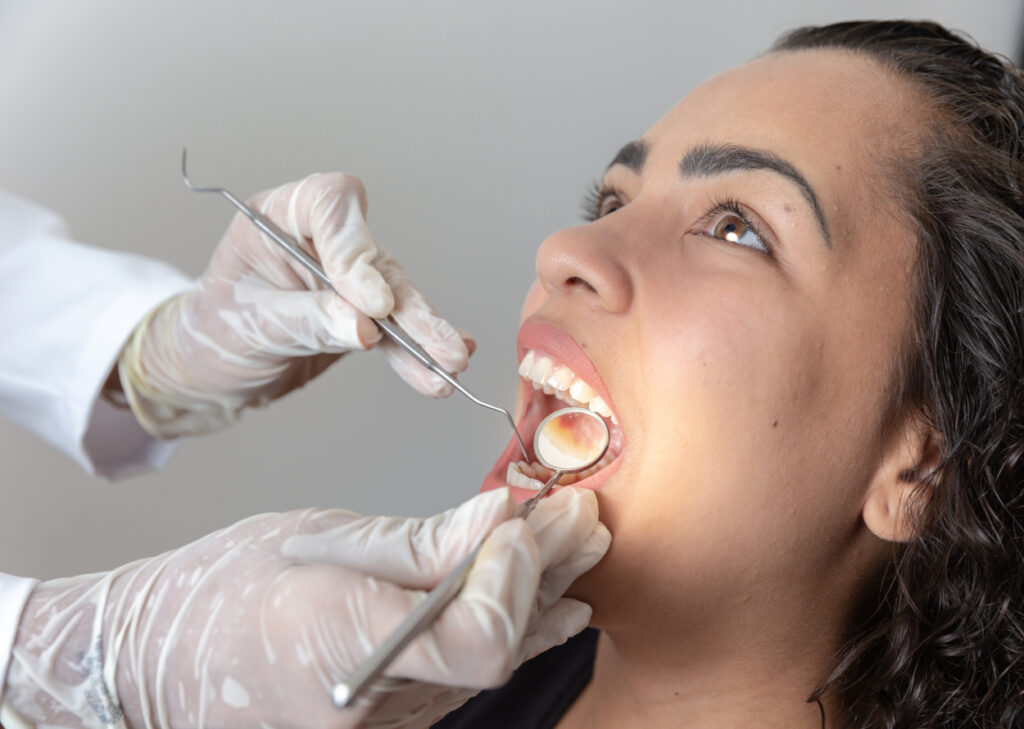
When patients hear the phrase "deep cleaning," they often assume scaling and root planing is simply a longer version of a routine dental visit. It is not. Scaling and root planing is a targeted, therapeutic procedure used to treat gum disease below the gumline, where a toothbrush, floss, and even a standard polishing appointment cannot reach effectively. In practice, it sits in an important middle ground. It is more involved than preventive cleaning, but it is still far less invasive than gum surgery. For many people with early to moderate periodontitis, that middle ground is exactly where treatment should begin.
The reason it matters is straightforward. Gum disease does not usually announce itself with dramatic pain. It develops quietly. A patient may notice bleeding when brushing, a stale taste in the mouth, mild gum tenderness, or teeth that seem a little longer than they used to. Meanwhile, plaque hardens into calculus, bacteria colonize deep pockets around the teeth, and the attachment between gum and tooth starts to weaken. By the time the condition feels serious, tissue and bone may already be affected.
Scaling and root planing is designed to interrupt that process. Done well, and followed by consistent home care and maintenance visits, it can reduce inflammation, shrink periodontal pockets, and help preserve teeth that would otherwise become progressively less stable.
What scaling and root planing actually involves
The name sounds technical, but the goals are practical. Scaling refers to removing plaque, bacteria, and hardened calculus from the tooth surface, especially below the gumline. Root planing refers to smoothing the root surfaces so they are less likely to retain bacterial deposits and so the gum tissue can reattach more effectively.
During gum disease treatment, the focus is not cosmetic brightness or a polished feel. The objective is disease control. A clinician works into the periodontal pockets, often with both ultrasonic instruments and hand scalers, to remove deposits that have accumulated over months or years. In mild cases, this can be relatively straightforward. In more advanced cases, especially where calculus is tenacious or roots have complex anatomy, it takes skill, patience, and careful tissue management.
A common misunderstanding is that the root is being aggressively shaved down. That is not the intent. Modern root planing is conservative. The aim is to detoxify and smooth contaminated root surfaces, not to remove healthy tooth structure unnecessarily. Good clinicians are deliberate about that distinction.
Why routine cleaning is not enough once gum disease is established
A standard prophylaxis, the cleaning done at recall visits for patients without significant periodontal disease, is intended to remove superficial plaque and tartar above the gumline and slightly below it. It is preventive care. Scaling and root planing is active treatment for infection and inflammation in deeper tissues.
This difference becomes clear when pocket depths are measured. Healthy gum tissue tends to form shallow sulci around teeth. As inflammation advances and attachment is lost, those spaces deepen into periodontal pockets. Oxygen drops, harmful bacteria thrive, and the deeper environment becomes harder to clean. A toothbrush can disrupt plaque at the visible margins, but it cannot reliably debride a 5 millimeter or 6 millimeter pocket with hardened deposits on the root surface.
That is why people sometimes feel confused after hearing, "You need something more than a regular cleaning." It can sound like an upsell unless it is explained properly. Clinically, though, the distinction is real. Treating periodontitis with a routine cleaning is like wiping the outside of a window while the damage is inside the frame.
How dentists and hygienists decide when it is needed
The decision is not based on one isolated sign. It usually comes from a combination of clinical findings, radiographs, medical history, and symptom patterns. Bleeding on probing, periodontal pocket depths, recession, calculus below the gumline, bone loss visible on x rays, and mobility all help shape the diagnosis.
A patient with generalized 4 to 6 millimeter pockets, bleeding, and radiographic bone loss is a very different case from someone with occasional bleeding caused by inconsistent flossing and no loss of attachment. Both may hear the words "gum disease," but the appropriate response is not necessarily the same.
Several practical clues often point toward scaling and root planing being the right next step:
- bleeding gums that persist even after improving brushing and flossing
- periodontal pockets that are deeper than healthy maintenance can manage
- tartar deposits extending beneath the gumline
- signs of bone loss or gum attachment loss on examination or x rays
- chronic inflammation, tenderness, or bad breath linked to periodontal infection
Even here, judgment matters. Not every deep reading means widespread therapy is required. A single isolated 5 millimeter pocket around a hard to clean molar may call for localized treatment and close monitoring. By contrast, generalized inflammation across most of the mouth usually requires a broader plan.
The appointment experience, step by step in real life
Patients tend to imagine either a painful ordeal or a quick scrape and rinse. Most experiences fall between those extremes. The exact format depends on the severity of disease, the amount of buildup, the patient's tolerance, and the practice style. In many offices, treatment is divided by quadrants or halves of the mouth so that anesthesia can be used effectively and the clinician can work thoroughly.
Local anesthetic is common, especially when deposits are deep or roots are sensitive. Once the area is numb, the clinician removes calculus and bacterial deposits from the root surfaces using ultrasonic devices, hand instruments, or both. Ultrasonics are efficient and flush out the pockets with irrigating fluid. Hand instruments add tactile precision, especially in root grooves, furcations, and narrow pocket areas.
There is often some sound, pressure, and water spray, but with adequate anesthesia there should not be sharp pain during the procedure. Afterward, the gums may feel sore for a few days. Cold sensitivity can increase temporarily, particularly where inflammation had masked exposed root surfaces. Patients are usually advised to use a soft brush, warm saltwater rinses, and in some cases an antimicrobial rinse. Over the next week or two, healthy tissue response often becomes visible: less bleeding, firmer gums, and a cleaner feeling that goes deeper than a polished surface.
In my experience, the patients who do best are usually the ones who understand that this is not a one day fix. The procedure gives the tissue a chance to heal. What determines whether that healing lasts is what happens next.
Healing is not instant, and that surprises some people
A useful comparison is orthopedic rehab. The clinician can remove the source of irritation, but the body still needs time to repair. Inflamed gums do not immediately snap back into place after treatment. They shrink as swelling resolves, which is a good sign, though some patients initially interpret it as recession because the teeth look longer. In truth, the tissue was often puffy before treatment and is now returning to a healthier contour.
Pocket depths may improve over several weeks, sometimes more. Bleeding usually decreases sooner. In favorable cases, especially with mild to moderate disease and good home care, pockets that were 4 or 5 millimeters can become much easier to maintain. Deeper defects may improve without fully resolving. Those sites sometimes need localized antimicrobial therapy, repeat instrumentation, or referral to a periodontist for surgical evaluation.
This is where realistic expectations matter. Scaling and root planing is highly effective, but it does not regrow lost bone on its own. It controls infection and creates conditions for stability. In some cases, stability is the primary win.
What determines whether it works well
Success is rarely about the procedure alone. It comes from the interaction between clinical treatment, biology, and patient behavior. Smokers tend to heal less predictably. Patients with uncontrolled diabetes often present with more inflammation and more persistent pocketing. Dry mouth, certain medications, crowded teeth, poorly contoured restorations, and mouth breathing can all make plaque control harder.
Home care is not a minor side note. It is the maintenance system that keeps treated pockets from being recolonized. This does not mean people need an elaborate shelf of specialty products. More often, they need a realistic and repeatable routine done well. A soft power toothbrush can be a major help for patients who rush manual brushing. Interdental brushes are often more effective than floss in wider spaces or around bridgework. Water flossers can be useful adjuncts, though they are not a substitute for mechanical plaque disruption where contacts are tight.
A patient once described scaling and root planing as "getting the slate cleaned off so I can stop starting every day already behind." That is a better summary than many technical explanations. The procedure reduces the bacterial burden to a level that daily care can actually manage.
The role of maintenance after treatment
One of the most common mistakes is assuming that once scaling and root planing is done, the patient can simply return to ordinary six month cleanings forever. Periodontal disease does not work that way. People who have developed periodontitis remain at higher risk for recurrence. The tissues may look better, feel better, and measure better, but the history matters.
That is why periodontal maintenance is usually recommended at shorter intervals, often every three to four months at first. Those visits are not duplicate cleanings. They include reassessment of pocket depths, bleeding, mobility, plaque control, and areas where inflammation is returning. The schedule can sometimes be adjusted based on stability, but stretching maintenance too far is a common reason for relapse.
For clinicians, the maintenance phase often reveals the difference between temporary improvement and true disease control. Pockets that remain deep and bleeding despite good compliance deserve a closer look. Sometimes the issue is residual calculus. Sometimes it is root anatomy. Sometimes the patient is doing their best but is fighting heavy smoking, immune compromise, or a bite pattern that creates trauma in specific areas. Gum disease treatment is rarely one size fits all, even when the initial procedure sounds standardized.
When scaling and root planing may not be enough
There are limits to nonsurgical therapy, and pretending otherwise does patients no favors. Some periodontal defects are too deep, too inaccessible, or too anatomically complex to respond fully without surgical access. Furcation involvement, where bone loss extends into the area between the roots of molars, is one classic example. Deep vertical defects can also be challenging. If there is severe mobility or extensive bone loss, the long term outlook for certain teeth may be guarded regardless of how meticulously https://zanderwbzq558.lowescouponn.com/the-benefits-of-customized-gum-disease-treatment-plans scaling and root planing is done.
This does not mean the procedure has failed. It often serves as the essential first phase, reducing inflammation so the true condition can be reassessed. Many periodontists prefer to evaluate tissues after initial therapy because swollen, infected gums can make disease appear both better and worse than it is, depending on what is being measured.
Sometimes the most responsible recommendation after reevaluation is surgery. Sometimes it is localized retreatment. Sometimes it is extraction of a hopeless tooth to protect neighboring structures and improve overall function. Those decisions are case specific and benefit from candor. Preserving every tooth at any cost is not always the healthiest plan.
Costs, insurance, and the value question patients wrestle with
People understandably compare the fee for scaling and root planing to the fee for a regular cleaning and wonder why the gap can be large. The answer lies in time, complexity, diagnostic work, anesthesia, instrumentation below the gumline, and the therapeutic nature of the service. It is more labor intensive and clinically demanding than preventive polishing and supragingival tartar removal.
Insurance plans vary widely. Some cover a portion once periodontal criteria are documented. Others apply frequency limits, waiting periods, or annual maximums that leave patients with substantial out of pocket costs. This is frustrating, especially because untreated periodontitis usually becomes more expensive over time. A few sessions of nonsurgical gum disease treatment are often far less costly than future surgery, repeated restorative work, management of mobility, or tooth replacement.
Patients sometimes ask whether they can postpone treatment for a year and "watch it." In very borderline cases, close monitoring may be reasonable. In clearly active disease, delay usually favors the bacteria, not the patient.
Common concerns that deserve direct answers
Fear around scaling and root planing is often fueled by partial information. Some patients were told years ago that deep cleanings are unbearable. Others assume the procedure damages enamel or loosens teeth. The truth is more nuanced.
Teeth can feel slightly looser after treatment if heavy calculus had been acting like a false splint. That does not mean the treatment created disease. It means the tartar was masking existing attachment loss. Sensitivity is also common for a period after therapy, especially to cold. Root surfaces exposed by recession or post treatment tissue shrinkage are naturally more reactive. Fortunately, sensitivity often settles, and desensitizing toothpaste, fluoride varnish, or bonding agents can help.
Another concern is whether antibiotics are always needed. Usually they are not. Mechanical debridement is the mainstay. Antibiotics may be considered in selected cases, such as aggressive disease patterns, specific bacterial profiles, or persistent sites not responding to conventional care, but they are not a universal add on.
Patients also ask whether laser treatment replaces scaling and root planing. In most everyday periodontal care, the answer is no. Adjunctive technologies may have a role in selected practices and cases, but they do not eliminate the need for thorough mechanical root debridement.
What patients can do before and after the procedure
Preparation helps more than people realize. Arriving well rested, having eaten beforehand unless instructed otherwise, and understanding which areas will be numb can make the visit smoother. For anxious patients, discussing comfort options in advance is worthwhile. Nitrous oxide, oral anxiolytics, and a slower paced appointment can make a significant difference.
After treatment, simple habits usually support healing best:
- brush gently but thoroughly, even if the gums are tender
- use any prescribed rinse exactly as directed, not longer than recommended
- avoid smoking, especially during the first days of healing
- choose softer foods if chewing feels uncomfortable
- keep the reevaluation and maintenance visits, even if everything feels fine
That last point deserves emphasis. Symptoms are not a reliable gauge of periodontal status. A mouth can feel normal and still have recurrent pocket inflammation.
The link between gum disease and overall health
Dentistry has become much more attentive to the relationship between periodontal inflammation and systemic health, though it is important to stay grounded and avoid overstatement. Gum disease does not mean a person will automatically develop broader medical problems, and periodontal treatment is not a cure for unrelated conditions. Still, the mouth is part of the body, and chronic infection and inflammation are biologically relevant.
The associations most often discussed involve diabetes control, cardiovascular risk patterns, and pregnancy outcomes. The science is still evolving in some areas, but what is already clear is this: healthy gums reduce one source of chronic inflammatory burden and improve a person's ability to eat, speak, and maintain their teeth comfortably. Even on that basis alone, treatment is worth taking seriously.
From a practical standpoint, patients with diabetes are a group where the benefits of coordinated care show up often. Better periodontal control can make oral inflammation easier to manage, and improved glycemic control can support better gum healing. It is a two way relationship, not a miracle cure, but a meaningful one.
Why early treatment changes the long-term picture
The best scaling and root planing cases are often the least dramatic. These are the patients who come in because their gums bleed, because a hygienist notices increasing pocket depths, or because a dentist compares x rays over time and sees subtle but real bone changes. Intervention at that stage can preserve a remarkable amount of structure.
Once severe bone loss, migration of teeth, and advanced mobility are present, treatment shifts from disease reversal to damage control. Good care still matters deeply, but the margin for recovery is smaller. That is why early diagnosis and timely gum disease treatment are so important. Periodontal disease is cumulative. The body can tolerate a lot before symptoms become obvious, but it does not restore lost support tissues easily.
Clinically, one of the most satisfying outcomes is seeing a patient return for reevaluation with minimal bleeding, improved home care, and pocket depths that are measurably better. Those are quiet wins. They do not look dramatic on social media, but they are the outcomes that keep people chewing comfortably years later.
A procedure with a plain name and substantial impact
Scaling and root planing does not sound glamorous, and it is rarely the dental service people mention first. Yet in day to day practice, it remains one of the most important tools for preserving natural teeth in the face of periodontal disease. It is practical, evidence grounded, and often highly effective when recommended for the right reasons and supported by consistent follow-through.
The deeper truth is that gum disease treatment is never just about removing tartar. It is about changing the environment around the teeth from one that supports infection to one that supports healing. Scaling and root planing is often the turning point where that change begins. When patients understand what the procedure is for, why it has been recommended, and what their role is after the appointment, the results are usually better, and the care feels less mysterious.
For anyone hearing the term for the first time, the key question is not whether it sounds more serious than a regular cleaning. The key question is whether the gums and supporting tissues are healthy enough to keep the teeth for the long haul. If they are not, scaling and root planing is often the most sensible place to start.
Avra Dental
Address: 1708 S Victoria Ave B, Ventura, CA 93003
Phone number: +18057653206
FAQ About Gum Disease Treatment
Can I make my gums healthy again?
Yes, you can make early-stage gum disease completely healthy again, but advanced damage requires professional care to manage.
Can you cure gum disease?
You can cure early-stage gum disease, but advanced gum disease cannot be fully cured.
Can I live a normal life with gum disease?
Yes, you can live a normal life with gum disease, but it requires active, lifelong management to control the condition and prevent serious complications